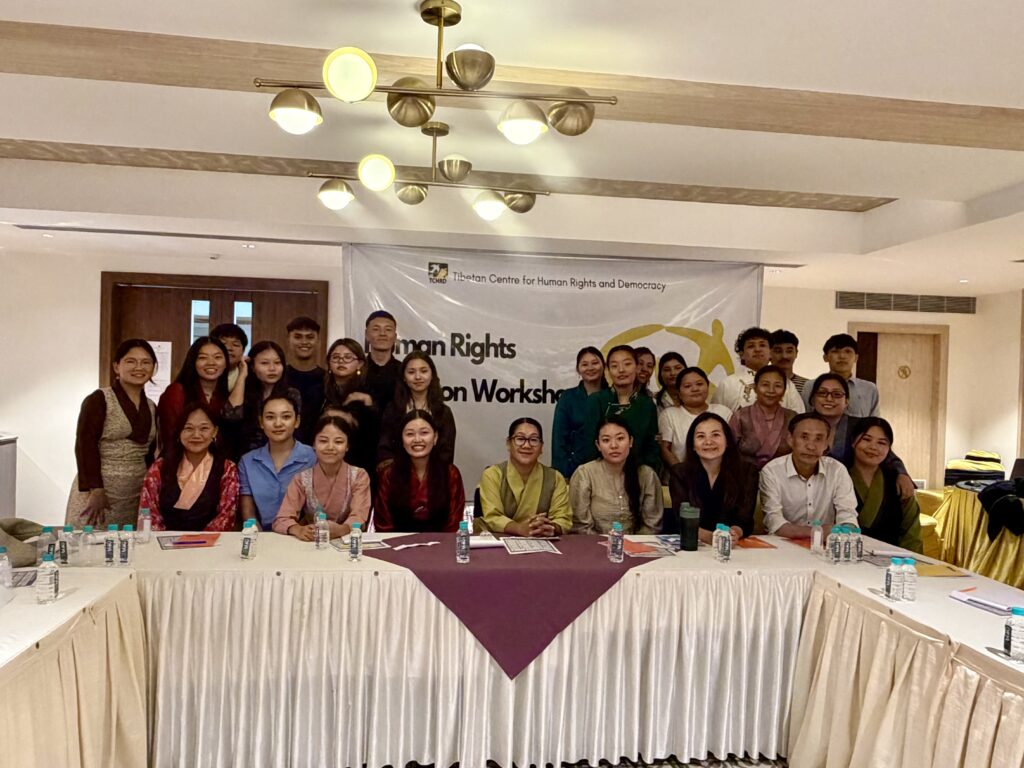
Twenty-one Tibetan college students and members of the Voluntary Tibet Advocacy Group (V-TAG) came together in Kochi, Kerala, from 24-25 June for a two-day workshop aimed at strengthening their understanding of human rights, the human rights situation in Tibet, and preparing them to become informed advocates for the Tibetan cause.
The workshop organised by the Tibetan Centre for Human Rights and Democracy (TCHRD), is part of the organisation’s annual human rights education programme for young Tibetans. Participants at the workshop explored the foundations of international human rights law, the human rights situation in Tibet, and practical advocacy skills through a combination of presentations, discussions, and interactive exercises.
The workshop commenced with an introduction to TCHRD by Ms Tenzin Dawa, Executive Director of TCHRD, who outlined the organisation’s work in documenting human rights violations in Tibet and advocating for accountability through international human rights mechanisms. TCHRD Communications Officer, Ms Yutso introduced participants to the fundamental concepts and principles of human rights, followed by sessions from Ms Dawa on the International Bill of Rights. TCHRD’s Legal Officer, Ms Phurbu Dolma explained the United Nations Human Rights System and the important role civil society organisations play in engaging with international mechanisms. TCHRD’s researcher, Mr Dawa Tashi, led an hour-long session presenting an overview of the current human rights situation in Tibet and China’s policies in Tibet.
The workshop also brought together two distinguished guest speakers who shared their perspectives on the challenges facing human rights defenders today.
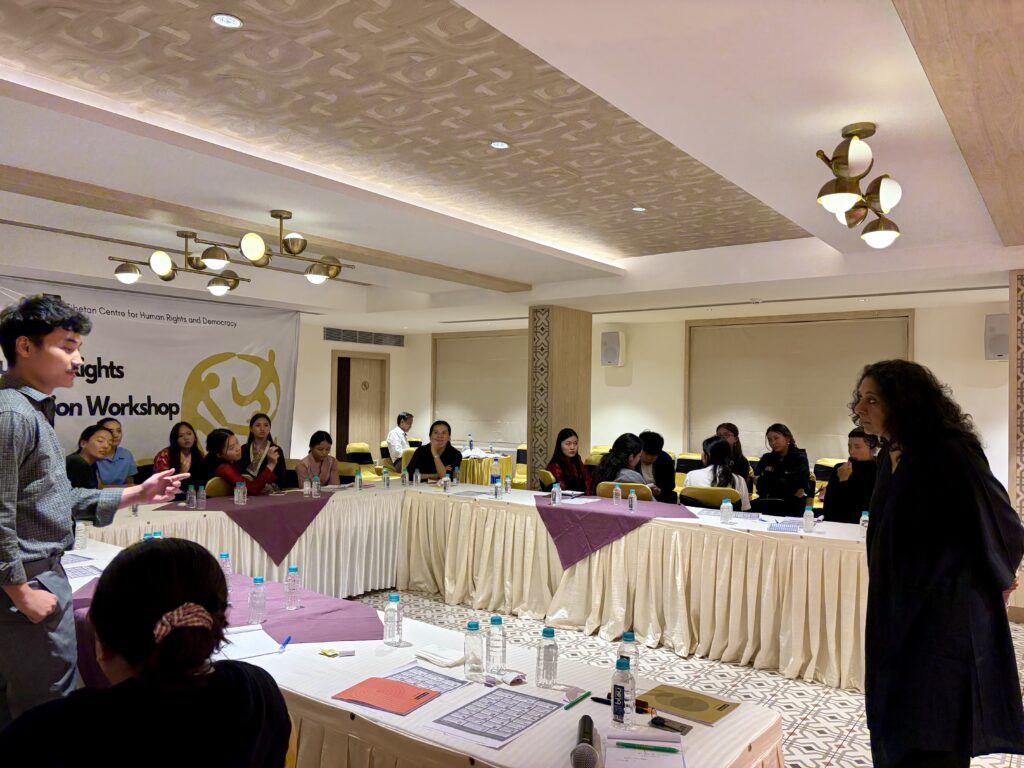
Ms Meenakshi Ganguly, Deputy Director, Human Rights Watch, Asia Division, spoke on the role of youth in defending human rights and protecting civic freedoms in today’s world. Drawing on decades of her extensive experience documenting human rights abuses across Asia, she spoke about the growing importance of youth leadership in safeguarding democratic values, defending civic freedoms, and responding to emerging human rights challenges. She encouraged participants to critically assess information, document violations responsibly, and remain resilient in the face of increasing restrictions on civil society. Through engaging discussions and practical examples from her own work, participants explored the importance of evidence-based advocacy and ethical documentation.
The second expert session was conducted by Prof. Parivelan K.M., Associate Dean, Woxsen University, on contemporary human rights challenges and the role of international law in protecting human dignity. The session explored how contemporary challenges including armed conflicts, discrimination and state impunity continue to test the effectiveness of the international human rights system. Using examples from Ukraine, Gaza, Sudan and Tibet, he discussed the tensions between state sovereignty, geopolitical interests and human rights obligations, examining how power politics often shapes the implementation of international law.
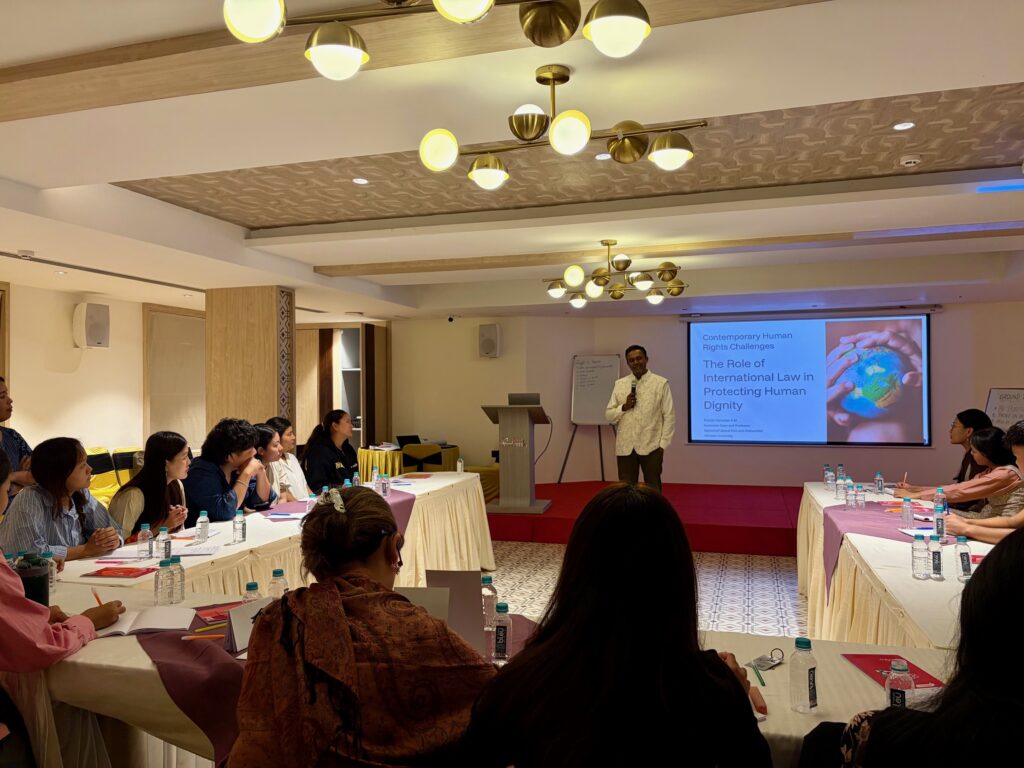
Professor Parivelan also highlighted the role of international mechanisms such as the International Court of Justice, International Criminal Court and the United Nations Human Rights System, emphasising that despite their limitations, they remain vital tools for advancing justice and protecting human dignity.
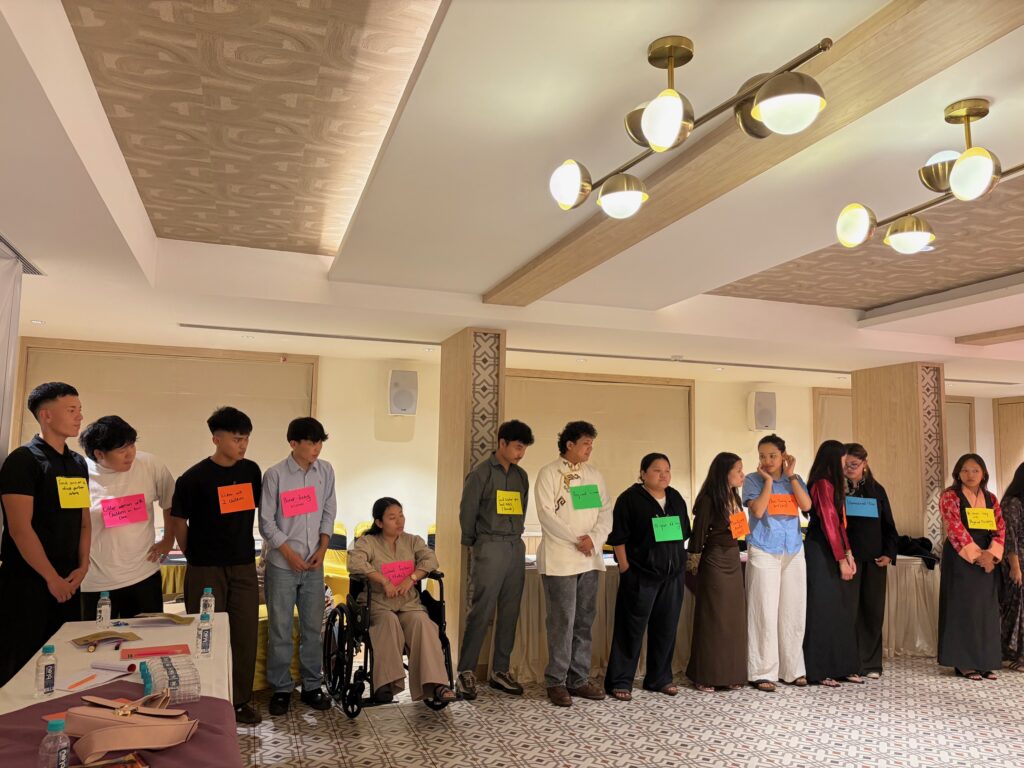
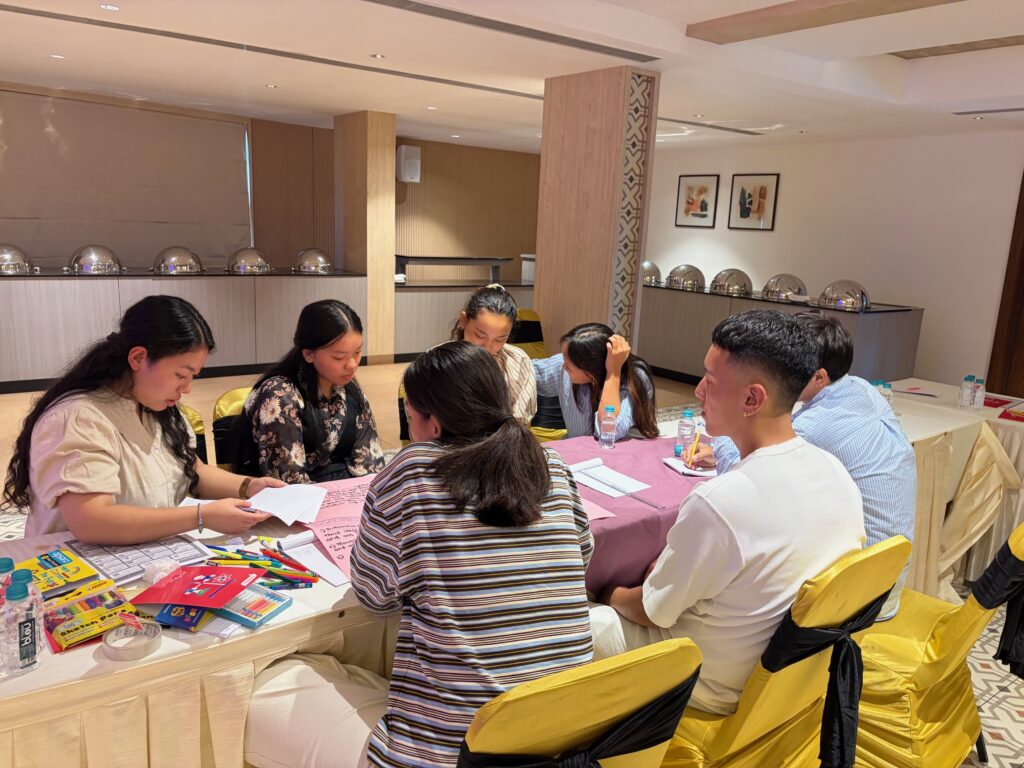
Across the two days, participants took part in a range of interactive activities designed to reinforce their learning. Working through case studies, experiential exercises, and advocacy simulations, participants applied international human rights principles to practical scenarios, reflected on issues of inequality and privilege, and analysed human rights violations using international legal frameworks. These activities strengthened participants’ critical thinking, teamwork, public speaking, and practical advocacy skills while providing valuable hands-on learning experiences.
The workshop concluded with participants reaffirming their commitment to promoting and defending human rights, underscoring TCHRD’s continued efforts to empower the next generation of young Tibetan advocates with the knowledge, skills, and confidence to speak out for human rights and the Tibetan cause.